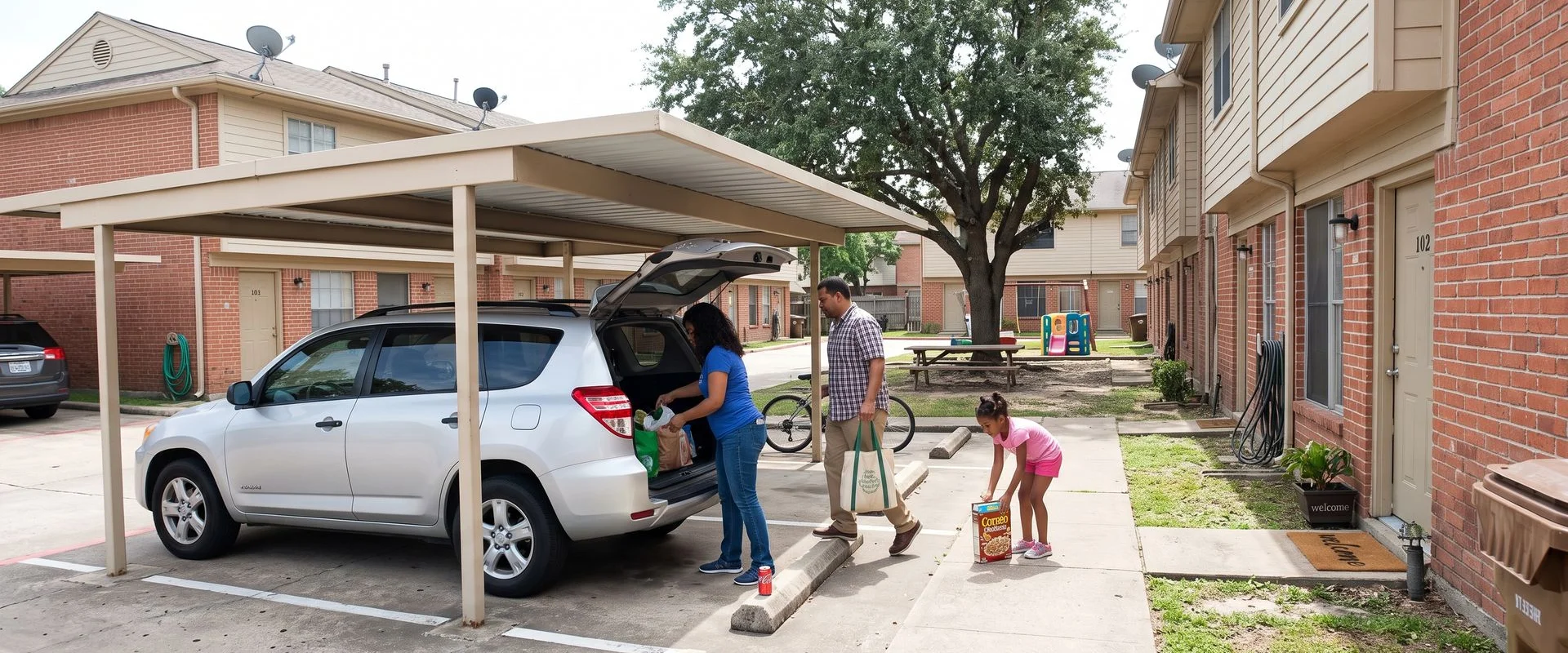
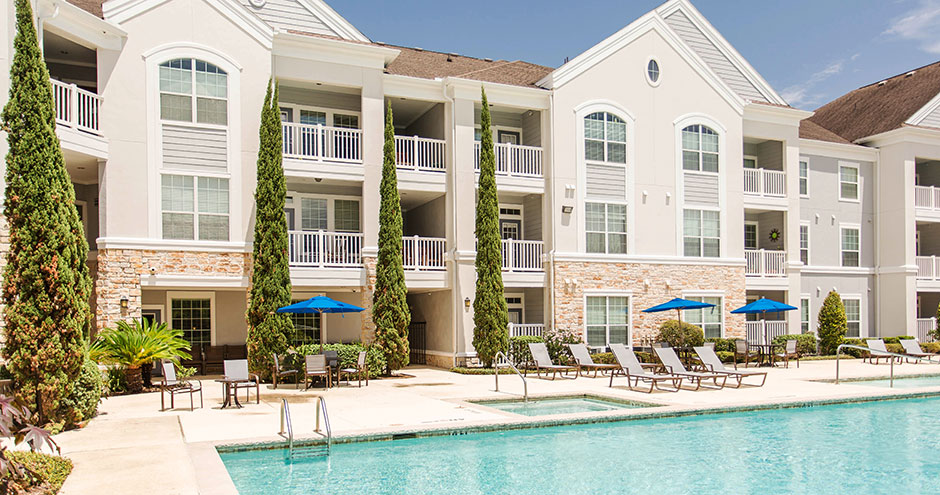
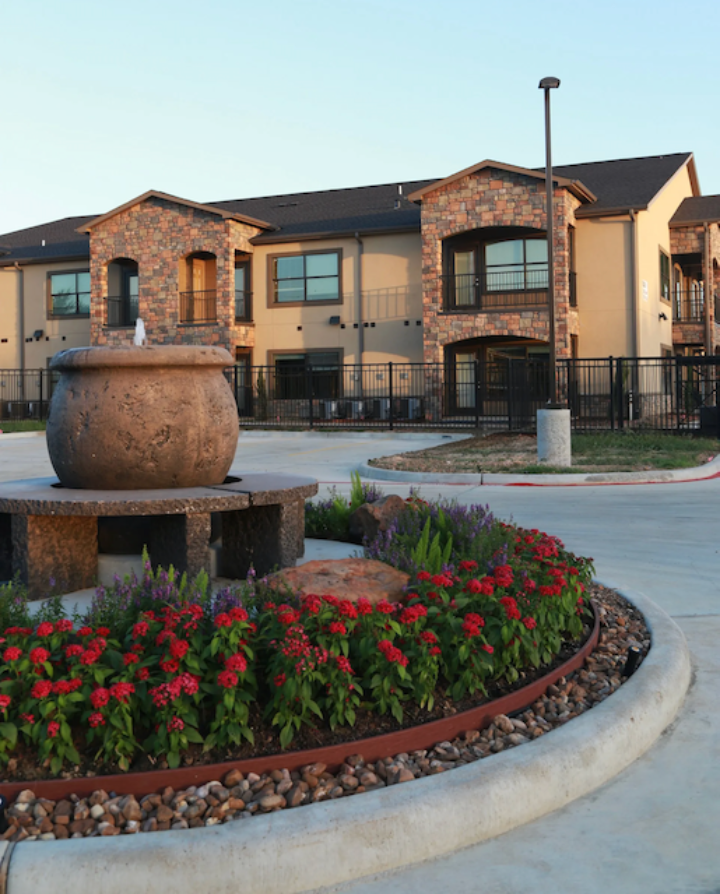
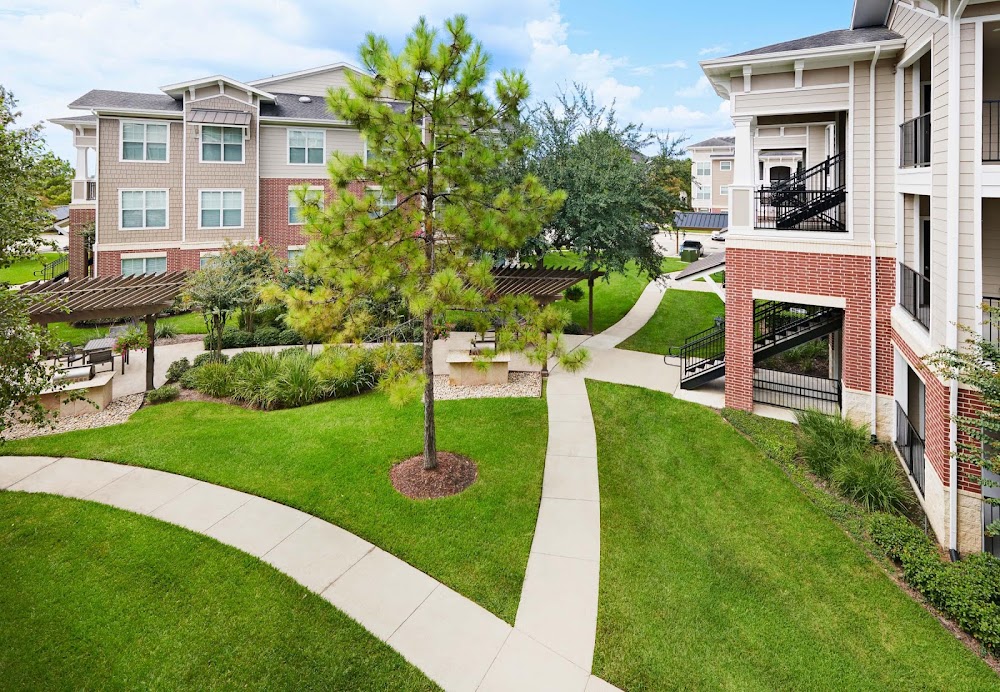
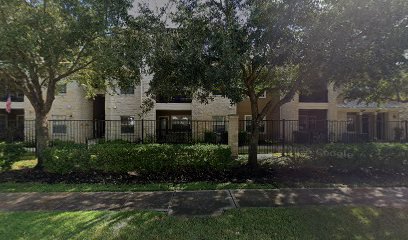
Katy has grown fast, and rents have grown with it, which is why income-based and affordable housing options matter to a lot of renters here. This category covers apartment communities that offer reduced rent through programs like the Low-Income Housing Tax Credit (LIHTC), Section 8 project-based assistance, or simple below-market pricing tied to your household income. We've identified 8 communities in and around Katy that fall into this group.
How income-based rent actually works
Most of these properties set rent as a percentage of your gross household income (often 30%), or they cap eligibility at a percentage of the area median income (AMI), commonly 50% to 80%. That means the rent you're quoted depends on your household size and earnings, not a flat sticker price. Some buildings mix market-rate and income-restricted units in the same complex, so it's worth asking directly which units are restricted and what documentation they need from you.
What to check before you apply
Ask about the waitlist status first, since many affordable properties in the Katy area stay full and keep a waiting list that can run months long. Also check what counts as income (some programs count all household income, others exclude certain benefits), what the recertification schedule looks like, and whether utilities are included in the rent figure or billed separately. Unit condition and management responsiveness vary a lot between properties, so don't assume "affordable" means lower quality.
How we rank these communities
Our scoring weighs factors like maintenance responsiveness, management communication, unit condition, and resident feedback over time, the same criteria we use across the directory. See the full ranked guide to Katy apartments to compare these 8 alongside the rest of the market, and read our methodology for how we score and weight each factor.